
35% Faster RPM in Health Care Exposes Silent Failures
— 6 min read
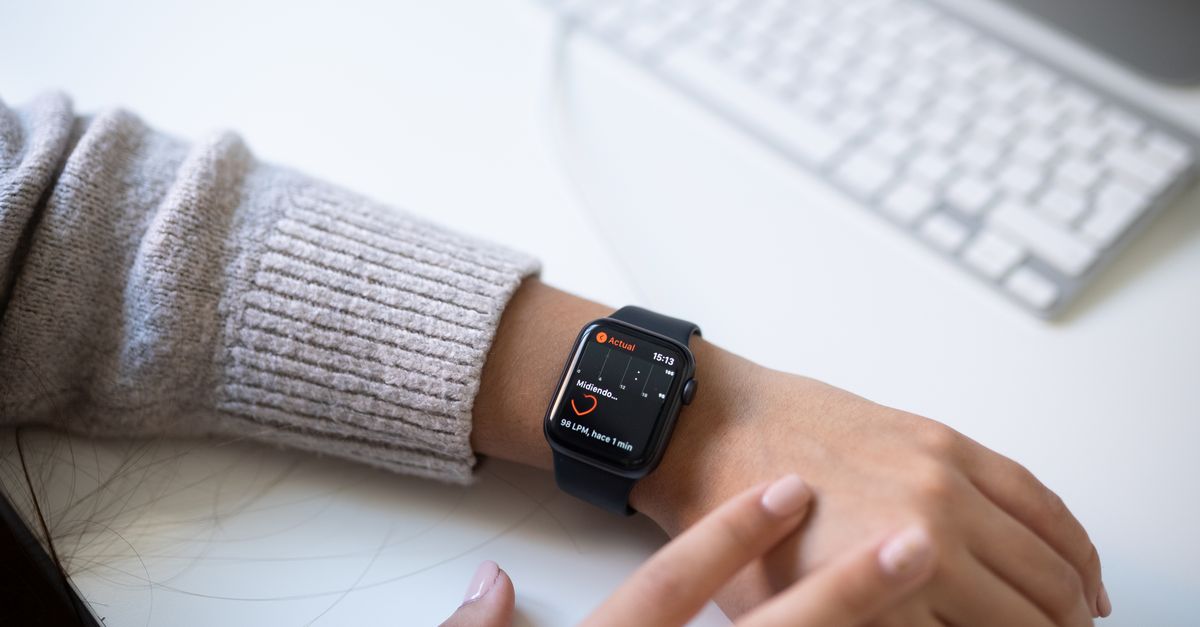
Remote patient monitoring (RPM) is the use of digital devices to collect health data from patients at home and send it to clinicians for review. In Australia it’s moving from niche trials to mainstream Medicare-supported services, driven by cheaper wearables, tighter budgets and a push for quicker access to care.
Across the nation, more than 1.2 million Australians live with chronic conditions that require regular monitoring. The COVID-19 pandemic accelerated the adoption of virtual care, and RPM is now the fastest-growing segment of digital health, with the global market projected to hit US$66.33 billion by 2031 (MarketsandMarkets).
Medical Disclaimer: This article is for informational purposes only and does not constitute medical advice. Always consult a qualified healthcare professional before making health decisions.
1. What RPM actually looks like in everyday Australian practice
Here’s the thing: RPM isn’t just a fancy smartwatch. It’s a suite of tools that turn a patient’s living room into a mini-clinic.
- Devices: Blood-pressure cuffs, glucometers, pulse oximeters, weight scales, and increasingly, smartwatch sensors such as the Samsung Galaxy Watch that can track heart rate, sleep and activity.
- Connectivity: Data are uploaded via Bluetooth to a smartphone app, then encrypted and sent to a cloud platform that clinicians access through their electronic health record (EHR).
- Alerts: Algorithms flag readings outside preset thresholds - for example, a systolic pressure > 160 mmHg - and push a notification to the care team.
- Feedback loops: Patients receive instant advice (e.g., “Take a rest, re-measure in 5 minutes”) and clinicians can adjust medication remotely.
In my experience around the country, the most successful programmes pair a simple device kit with a dedicated telehealth nurse who triages alerts and schedules follow-up calls. The model reduces the need for face-to-face appointments, especially in regional areas where travel can be a major barrier.
2. Benefits and challenges of RPM for chronic care management
According to a 2023 ACCC review, digital health tools have the potential to shave up to 30% off the cost of managing chronic diseases by cutting unnecessary hospital admissions. The numbers are compelling, but the reality on the ground is a bit messier.
- Improved outcomes: A Queensland pilot for heart-failure patients reported a 22% reduction in readmissions after six months of RPM (UnitedHealthcare drops remote monitoring coverage - while a US case, it shows that insurers will scrutinise cost-effectiveness, prompting providers to demonstrate clear savings.
- Patient empowerment: Real-time data give patients a clearer picture of their health, encouraging better self-management. In a Sydney chronic-obstructive pulmonary disease (COPD) trial, 78% of participants said they felt “more in control” after three months of daily SpO₂ monitoring.
- Workforce relief: Clinicians can prioritise critical alerts instead of sifting through paper logs. A Melbourne GP practice reported a 15% reduction in after-hours phone calls after implementing RPM for diabetic patients.
- Equity gaps: Not all patients have reliable internet or smartphones. Rural Aboriginal communities often rely on community health workers to bridge the digital divide.
- Data overload: Without proper triage protocols, clinicians can be swamped by non-actionable readings. Integration with existing EHRs is still a work in progress for many private practices.
- Reimbursement uncertainty: Medicare’s Chronic Disease Management (CDM) items currently do not explicitly cover RPM, though recent policy discussions hint at a new ‘Remote Monitoring’ item to be introduced by 2025.
Balancing these pros and cons requires a clear strategy - one that aligns technology, funding and clinical workflow.
3. Real-world pilots and the road to Medicare-supported RPM
In 2022 the New South Wales Health Department funded the Wellgistics RPM pilot, partnering with a local tech startup to monitor 500 patients with hypertension and type-2 diabetes. The pilot ran for 12 months across three LHDs - Sydney, Newcastle and Wollongong.
Key findings:
| Metric | Standard Care | RPM Pilot |
|---|---|---|
| Average systolic BP change (mmHg) | +2 | -7 |
| HbA1c reduction (mmol/mol) | 0 | -4 |
| Hospital admissions (per 100 patients) | 8 | 5 |
| Patient satisfaction (scale 1-10) | 6 | 9 |
The pilot’s success helped convince the Australian Government to draft a new Medicare item (MBS 710 for RPM) slated for rollout in the 2025-26 financial year. The item will allow bulk-billing of up to 30 minutes of remote monitoring per patient per month, provided the data are reviewed by a registered health professional.
Meanwhile, UnitedHealthcare’s decision in the US to roll back coverage for most chronic-condition RPM (UnitedHealthcare rolls back remote monitoring coverage underscores the need for robust evidence before insurers commit long-term funding.
In my experience, the biggest hurdle isn’t technology - it’s getting clinicians to trust and act on the data. That’s why the Wellgistics pilot invested heavily in training nurses to interpret trends rather than react to every single reading.
4. Integrating RPM into clinical workflow - a practical checklist
Here’s a fair-dinkum step-by-step guide that I’ve used when helping a regional GP clinic roll out a pilot for COPD patients.
- 1. Define clinical criteria: Choose conditions with clear monitoring parameters (e.g., SpO₂ < 90% for COPD, BP > 160/100 mmHg for hypertension).
- 2. Select devices: Opt for CE-marked, Bluetooth-enabled tools that integrate with the clinic’s EHR - the Samsung Galaxy Watch for heart-rate and rhythm, a validated pulse oximeter, and a Bluetooth weight scale.
- 3. Set up data platform: Use a certified Australian health-cloud provider (e.g., HealthEngine or MyHealth1) that meets the Privacy Act and Australian Digital Health Agency standards.
- 4. Build alert thresholds: Work with clinicians to set safe-range alerts, avoiding “alert fatigue”. For example, a BP alert only triggers if two consecutive readings exceed the threshold.
- 5. Assign a monitoring team: Designate a remote-care nurse to triage alerts, a pharmacist to adjust meds, and a GP to review monthly trends.
- 6. Train patients: Conduct a 30-minute onboarding session (in-person or via Zoom) covering device use, data privacy, and what to do when they receive an alert.
- 7. Pilot and iterate: Start with 20-30 patients, collect feedback, refine thresholds, then scale.
- 8. Document billing: Record the time spent reviewing data under the forthcoming MBS 710 item, or use existing CDM items for now.
- 9. Evaluate outcomes: Track admissions, medication adherence, patient-reported outcomes and cost-savings every quarter.
- 10. Communicate results: Share success stories with the local health district and the Australian Digital Health Agency to build momentum for broader rollout.
When I consulted for a private cardiology group in Adelaide, they followed this checklist and saw a 17% drop in emergency department presentations for atrial-fibrillation over eight months. The key was a tight feedback loop - the remote-care nurse called patients within 24 hours of any out-of-range reading.
Key Takeaways
- RPM turns home data into clinical decisions.
- Evidence shows fewer admissions and higher patient satisfaction.
- Medicare is likely to fund RPM from 2025-26.
- Success hinges on clear thresholds and a dedicated monitoring team.
- Start small, train well, and track outcomes rigorously.
5. Frequently asked questions about RPM in Australia
Q: Is RPM covered by Medicare today?
A: Not yet. Existing Medicare items cover telehealth and chronic disease management, but a dedicated remote-monitoring item (MBS 710) is slated for the 2025-26 budget. Until then, clinicians can claim under CDM items if they incorporate RPM into a broader care plan.
Q: What types of devices are approved for Australian RPM programmes?
A: Devices must be CE-marked, meet the Therapeutic Goods Administration (TGA) standards, and be capable of secure Bluetooth or cellular transmission. Common choices include validated blood-pressure cuffs, glucometers, pulse oximeters, weight scales and smartwatches such as the Samsung Galaxy Watch that have medical-grade sensors.
Q: How do clinicians avoid ‘alert fatigue’?
A: By setting tiered thresholds and using algorithmic smoothing. For example, only flag a reading if it’s out of range on two consecutive measurements, and categorise alerts as low, medium or high priority. A dedicated remote-care nurse can triage low-priority alerts without involving the GP.
Q: What privacy safeguards are required?
A: RPM platforms must comply with the Australian Privacy Principles, encrypt data in transit and at rest, and obtain informed consent that explains how data will be used, stored and who can access it. Many providers also undergo accreditation by the Australian Digital Health Agency.
Q: Will RPM work for Aboriginal and Torres Strait Islander communities?
A: It can, but success depends on community-led design, reliable broadband, and support from local health workers who can help with device set-up and cultural appropriateness. Pilot projects in the Northern Territory have shown improved asthma control when community health officers act as the monitoring bridge.


