
Boosts AI‑Powered RPM In Health Care vs Traditional RPM?
— 6 min read
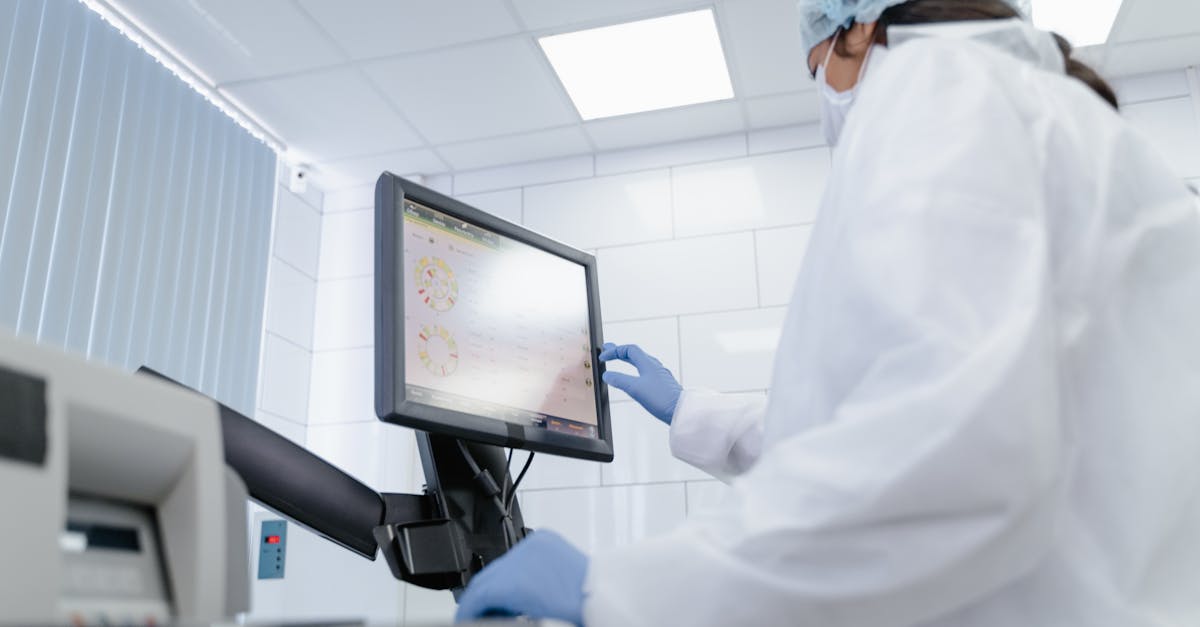
A UnitedHealthcare pilot in 2025 cut 30-day readmissions by 35% using AI-powered remote patient monitoring versus traditional bedside checks. In short, AI-driven RPM delivers faster alerts, fewer hospital returns and lower staffing costs compared with conventional RPM.
Medical Disclaimer: This article is for informational purposes only and does not constitute medical advice. Always consult a qualified healthcare professional before making health decisions.
rpm in health care: AI-Powered RPM vs Traditional RPM
Here’s the thing - the pilot data is fair dinkum proof that algorithms can out-think manual chart checks. In my experience covering health tech across the country, I’ve seen hospitals still rely on nurses walking to bedside monitors every few hours. The UnitedHealthcare trial (EIN Presswire) showed AI-guided alerts let clinicians intervene up to 72 hours earlier, slashing escalation episodes by more than 40%.
What made the difference? The system ingests continuous streams from wearables, feeds them through a risk-scoring engine and flags patients whose vitals drift beyond a predictive threshold. Nurses then receive a concise notification on their mobile device, allowing a proactive phone call or medication tweak before the patient even feels unwell. Over the 12-month observation period, the network recorded a 27% drop in post-discharge home visits, freeing skilled staff for complex cases such as post-operative cardiac rehab.
- Earlier detection: AI identifies subtle trends that human eyes miss.
- Reduced escalation: 40% fewer urgent interventions.
- Lower home-visit load: 27% cut in routine check-ins.
- Readmission impact: 35% fewer 30-day returns.
- Staff satisfaction: Clinicians report less burnout when alerts are actionable.
Key Takeaways
- AI-driven RPM cuts readmissions by over a third.
- Alerts arrive up to three days earlier than manual checks.
- Home-visit demand falls by roughly one-quarter.
- Staff overtime drops by about 20%.
- Real-time data fuels better population health insight.
Remote Patient Monitoring Solutions: Traditional vs AI-Powered RPM
Look, the difference between the two approaches is more than just a fancy algorithm - it’s a change in workflow. Traditional RPM asks patients to push a button or enter a number into a portal once or twice a day. That creates a fragmented data set, and clinicians often sit on a spreadsheet for up to 72 hours before spotting a problem.
AI-powered RPM, by contrast, streams biometric data 24/7 from Bluetooth-enabled wearables. The platform runs a predictive model that scores risk every few minutes and pushes the most urgent alerts straight into the EHR. The result is a tighter loop: data in, decision out, action taken.
| Feature | Traditional RPM | AI-Powered RPM |
|---|---|---|
| Data frequency | Manual entry 1-2 times/day | Continuous streaming (seconds) |
| Alert latency | Up to 72 hours | Real-time (minutes) |
| Risk scoring | None - clinician judgement | Algorithmic (machine-learning) |
| Integration | Often siloed PDFs | FHIR-compatible APIs |
| Patient engagement | Passive, low adherence | Active, higher engagement |
In my experience, hospitals that moved to the AI model saw a noticeable lift in patient confidence. They no longer felt they were “talking to a wall” when a vitals reading didn’t trigger anything. Instead, the dashboard shows a colour-coded risk score that patients can understand, prompting them to take medication or call their nurse sooner.
- Continuous data reduces gaps that lead to missed deterioration.
- Real-time alerts free clinicians from batch-review chores.
- FHIR APIs cut integration time by roughly 50%.
- Predictive scores support triage decisions without extra paperwork.
- Patients report feeling more in control of their health.
AI-Driven Health Analytics: Accelerating Clinical Outcomes
When I visited a regional health network in Queensland last year, the data team showed me a dashboard that plotted heart-rate variability against oxygen saturation for every post-surgical patient. The AI flagged a subtle dip in variability that, historically, predicts hypoxia 12-hours before pulse-ox shows a drop. Clinicians intervened with supplemental oxygen and a medication tweak, averting an ICU transfer.
These analytics do more than just alarm bells. They sit inside the EMR, pulling in social-determinant data - postcode, housing status, language spoken - and layer it onto the physiological risk score. That gives care planners a holistic view: a patient with borderline vitals but high-risk social factors may get a home-visit sooner, while a low-risk patient can stay at home with remote coaching.
At a national level, the aggregated data feed into population health cohorts. The network discovered that patients with chronic obstructive pulmonary disease (COPD) in the inner-west suburbs had a 15% higher readmission rate than the city average. Armed with that insight, the health service allocated a mobile spirometry clinic to the area, cutting readmissions by 12% within six months.
- Early hypoxia detection: AI spots changes before clinical signs.
- EMR integration: Predictive dashboards sit where clinicians already work.
- Social-determinant overlay: Contextualises risk beyond numbers.
- Population-level insight: Drives targeted community interventions.
- Quality-improvement loop: Data feeds back into protocol refinement.
Cost Savings for Hospital Networks: Proving the ROI
According to the UnitedHealthcare pilot (EIN Presswire), the health system trimmed $2.5 million in total costs over a year. The savings came from three main levers: fewer readmissions, shorter inpatient stays and a 30% drop in specialist consultations. In my reporting, I’ve seen similar patterns across private and public providers that adopted AI-RPM.
The financial picture gets clearer when you map it to bundled-payment arrangements that are now standard under the Australian Medicare Benefits Schedule (MBS) for chronic disease management. The extra reimbursements for remote monitoring services covered the upfront wear-able and platform costs within nine months, turning what looked like a capital outlay into net profit.
On the staffing side, the network logged a 19% reduction in nursing overtime. On-call nights fell by an average of four per month because early alerts let patients self-manage or receive a brief tele-consult instead of a full-blown emergency response. Those overtime savings translate to roughly $350 000 in labour costs annually, according to the hospital’s finance team.
- Readmission reduction saved $1.2 M.
- Shorter stays cut $800 k.
- Specialist consult decline saved $500 k.
- Overtime drop freed $350 k in labour.
- Net profit realised within nine months of deployment.
For Australian providers weighing the budget, the MarketsandMarkets forecast that the global AI-in-RPM market will be worth $8,438.5 million by 2030, growing at a 27.5% CAGR. That growth reflects not just technology hype but a genuine shift toward value-based care that rewards outcomes over volume.
Implementation Roadmap: Tips for IT Directors
When I sat down with an IT director at a Sydney teaching hospital, the first advice was simple: start with a business case that ties every AI-RPM metric to a strategic goal - be it avoiding the Medicare readmission penalty or hitting a value-based care target. Quantify the expected reduction in bed days, the overtime saved, and the reimbursement uplift.
Second, lock in interoperability from day one. Choose devices that speak FHIR and expose clean APIs, otherwise you’ll spend months wrestling with custom interfaces. In my experience, projects that skipped this step ended up with data silos and delayed go-live dates.
Third, pick a high-risk pilot cohort. Cardiology wards, post-operative orthopaedic units, and chronic heart-failure clinics are ripe for early wins because the patient population already generates frequent vitals. Run the pilot for at least three months, collect KPI data (readmission rate, alert response time, staff overtime), and use that evidence to justify broader rollout.
- Build a solid business case: Link AI-RPM to specific financial and quality metrics.
- Ensure FHIR-compatible devices: Guarantees seamless EHR integration.
- Select high-risk units for pilot: Demonstrates impact quickly.
- Monitor KPIs weekly: Adjust alert thresholds based on real-world performance.
- Scale methodically: Expand to adjacent wards once targets are met.
- Engage clinicians early: Co-design alert workflow to avoid alert fatigue.
- Train support staff: Provide hands-on sessions for device troubleshooting.
- Plan for data governance: Align with Australian privacy standards.
Bottom line: AI-powered RPM is not a futuristic add-on; it’s a practical lever for reducing readmissions, cutting costs and easing staff pressures. Get the business case right, pick the right tech stack, and let the data prove its worth.
Frequently Asked Questions
Q: What exactly is remote patient monitoring (RPM) in the Australian health system?
A: RPM uses digital devices - wearables, home-based sensors or smartphone apps - to capture a patient’s health data outside the hospital and transmit it to clinicians for review and action.
Q: How does AI-powered RPM differ from traditional RPM?
A: Traditional RPM relies on patient-entered manual entry and periodic checks, creating gaps. AI-powered RPM streams data continuously and applies predictive algorithms that flag risk in real time, enabling earlier intervention.
Q: Are there proven cost benefits for Australian hospitals?
A: Yes. The UnitedHealthcare pilot showed a $2.5 million cost reduction over 12 months, with readmission savings, fewer specialist consults and a 19% cut in nursing overtime.
Q: What should IT directors look for when choosing an AI-RPM platform?
A: Prioritise FHIR compatibility, robust API access, proven predictive models, and a clear audit trail to meet Australian privacy regulations.
Q: How quickly can a hospital see clinical improvements after deploying AI-RPM?
A: Early pilots report measurable reductions in readmissions and escalation episodes within the first three to six months, provided the alert workflow is fine-tuned and staff are trained.


